


The Calming Benefits of Sound Baths for Your Nervous System
Sound baths have gained popularity as a gentle, immersive way to relax and restore balance. But how exactly do these sessions help calm the nervous system? This post explores the science and experience behind sound baths, explaining how they support nervous system health and promote deep relaxation.
What Is a Sound Bath?
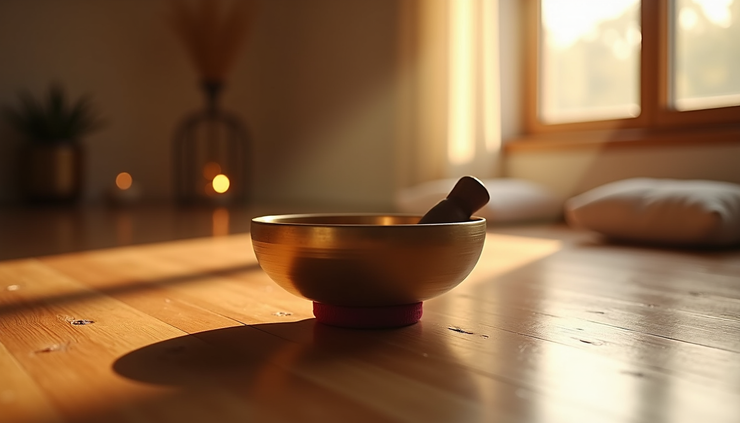
A sound bath is a meditative experience where participants listen to soothing sounds produced by instruments like crystal singing bowls, gongs, chimes, and tuning forks. Unlike traditional baths that use water, sound baths immerse the listener in layers of sound waves that wash over the body and mind.
During a session, you usually lie down or sit comfortably while I play these instruments in a slow, rhythmic pattern with instruments like crystal bowls, chimes, drums,ocean sounds, rainsticks himalayan bowls and more.
The sounds create vibrations that can be felt physically and mentally, encouraging a state of calm and presence.
How Sound Affects the Nervous System
The nervous system controls how your body responds to stress and relaxation. It has two main parts:
The sympathetic nervous system, which activates the "fight or flight" response during stress.
The parasympathetic nervous system, which promotes rest, digestion, and recovery.
Sound baths help shift the nervous system from sympathetic dominance to parasympathetic activation. This shift lowers heart rate, reduces blood pressure, and slows breathing, all signs of relaxation.
The Role of Brainwaves
Sound frequencies influence brainwave patterns. During a sound bath, the brain often moves from fast beta waves (alert, anxious) to slower alpha and theta waves, which are linked to relaxation and meditation. This change helps quiet the mind and reduce stress.
Physical Benefits of Sound Baths on the Nervous System
Sound baths do more than just calm the mind—they also impact the body’s nervous system in measurable ways:
Lower cortisol levels: Cortisol is the hormone released during stress. Studies show sound therapy can reduce cortisol, helping the body recover from chronic stress.
Improved heart rate variability (HRV): HRV measures how well the nervous system adapts to stress. Higher HRV indicates better resilience and relaxation.
Muscle relaxation: Vibrations from instruments can ease muscle tension, which often builds up during stress.
Emotional and Mental Benefits
The calming effect on the nervous system also supports emotional balance:
Reduced anxiety and depression symptoms: Many participants report feeling less anxious and more emotionally grounded after sound baths.
Enhanced mood and clarity: The meditative state encourages mental clarity and a positive outlook.
Better sleep quality: Relaxation from sound baths can improve sleep patterns, which is crucial for nervous system health.
What to Expect During a Sound Bath Session
If you’re new to sound baths, here’s what a typical session looks like:
You arrive and find a comfortable spot to lie down or sit.
The practitioner explains the instruments and session flow.
The sound journey begins with gentle tones that build in layers.
You focus on the sounds, allowing your mind to drift without judgment.
The session ends with a gradual return to silence, often followed by a short reflection.
Sessions usually last between 30 to 60 minutes. You don’t need any special skills—just an open mind and willingness to relax.
Practical Tips for Maximizing the Benefits
To get the most from a sound bath, consider these tips:
Choose a quiet, comfortable environment free from distractions.
Wear loose, comfortable clothing to help your body relax.
Set an intention before the session, such as reducing stress or improving sleep.
Stay hydrated before and after to support your body’s recovery.
Practice deep breathing during the session to enhance relaxation.
Who Can Benefit Most from Sound Baths?
Sound baths are accessible to most people and can be especially helpful for:
Individuals experiencing chronic stress or anxiety.
People with sleep difficulties.
Those seeking a non-invasive way to support mental health.
Anyone interested in meditation but who finds traditional methods challenging.
While sound baths are generally safe, people with certain medical conditions like epilepsy or severe hearing issues should consult a healthcare provider before participating.
Scientific Research Supporting Sound Baths
Research on sound therapy and sound baths is growing. Some key findings include:
A 2016 study published in the Journal of Evidence-Based Complementary & Alternative Medicine found that sound meditation significantly reduced tension, anger, fatigue, and depressed mood.
Research in Frontiers in Human Neuroscience (2017) showed that sound vibrations can influence brainwave activity and promote relaxation.
Studies on music therapy, which shares principles with sound baths, demonstrate improvements in heart rate variability and cortisol reduction.
These findings support the idea that sound baths can positively affect the nervous system and overall well-being.
How to Find or Create Your Own Sound Bath Experience
You can find sound bath sessions at wellness centers, yoga studios, or meditation groups. Many practitioners offer in-person or virtual sessions.
come and enjoy one of my soundbath events I hold many different times , days and venues , come and find peace and stillness with me
from Sally xx


Comments